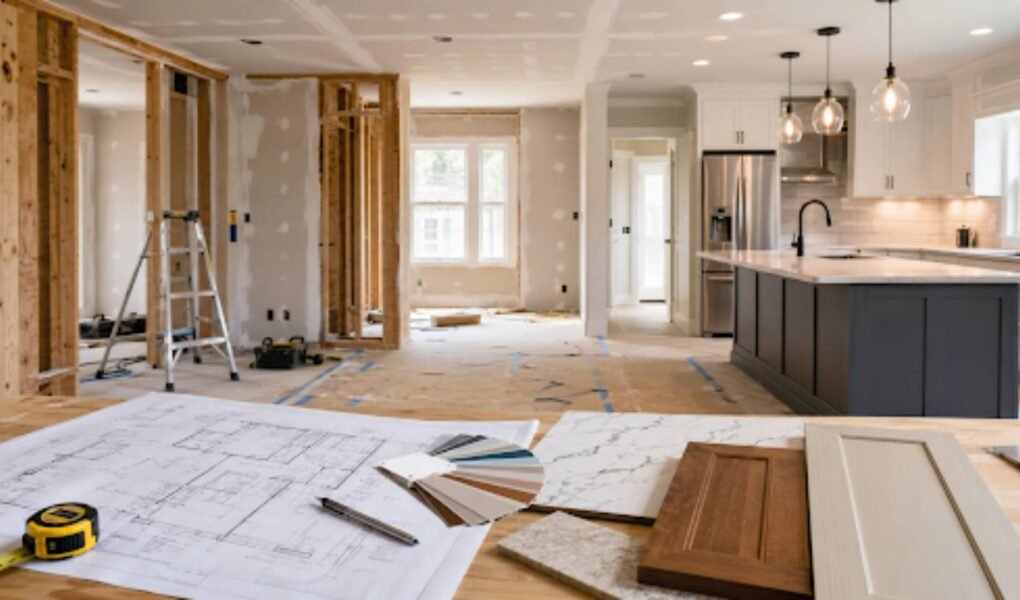
A successful home renovation starts with a good plan, not a demolition hammer. Whether you are updating one tired bathroom, modernising an older property, or renovating an entire house, careful preparation can prevent expensive mistakes and unnecessary delays.
The planning stage gives you time to define what you want, understand what the property needs, set a realistic budget, and decide which work requires professional help. It also creates a clear roadmap for everyone involved.
Here is how to plan a home renovation from the first idea through to the final inspection.
1. Define Your Renovation Goals
Start by asking what you want the renovation to achieve.
Are you trying to make the home more comfortable? Improve its appearance? Increase usable space? Fix ongoing problems? Prepare the property for sale or rental?
Your answer will influence almost every decision that follows.
Make a list of your priorities and divide them into three groups:
- Essential: Repairs or improvements that address safety, structural, plumbing, electrical, or building problems.
- Important: Changes that improve comfort, efficiency, storage, or functionality.
- Optional: Cosmetic upgrades that would be nice to have but are not essential.
For example, repairing water damage should come before replacing perfectly serviceable kitchen cabinets. Likewise, fixing poor wiring should take priority over choosing decorative lighting.
This simple approach helps prevent attractive but low-priority improvements from consuming money needed for essential work.
2. Assess the Existing Property
Before planning the finished look, understand the condition of the house.
Walk through every area and note visible problems. Look at walls, ceilings, floors, windows, doors, roofing, plumbing fixtures, heating and cooling systems, and electrical components.
Older properties deserve particular attention because problems may be hidden behind walls or beneath floors. Previous alterations may also have been completed without modern standards or appropriate approvals.
Depending on the project, you may need inspections from qualified professionals such as:
- Structural engineers
- Electricians
- Plumbers
- Heating and cooling specialists
- Roofing professionals
- Surveyors
- Architects or designers
The purpose is not to create a list of everything that could possibly be changed. It is to identify issues that could affect your renovation scope, budget, or safety.
3. Decide Between Cosmetic and Structural Work
Not every renovation requires major construction.
Cosmetic improvements might include painting, replacing flooring, changing light fittings, updating hardware, or installing new finishes. These projects can often be completed relatively quickly.
Structural renovations are different. Removing walls, changing roof structures, altering openings, extending the building, or making significant changes to building systems can require professional design, approvals, and specialist work.
Knowing the difference early helps you estimate the project’s complexity.
A useful rule is simple: if a change could affect the structure, safety, waterproofing, electrical system, plumbing system, or building envelope, get professional advice before starting.
4. Establish a Clear Project Scope
Once you understand the property’s condition, turn your ideas into a defined scope of work.
Instead of saying, “I want to modernise the kitchen,” specify what that means.
For example:
- Remove existing cabinets.
- Repair damaged wall surfaces.
- Update electrical outlets and lighting.
- Replace plumbing where necessary.
- Install new cabinets.
- Install worktops.
- Fit appliances.
- Lay new flooring.
- Paint walls and ceilings.
A detailed scope makes it easier to compare contractor estimates and reduces misunderstandings later.
It also helps control scope creep, which happens when additional work gradually gets added after construction begins.
5. Set a Realistic Renovation Budget
A renovation budget should cover more than materials and labour.
Consider costs such as:
- Design and professional fees
- Permits and inspections
- Demolition and waste removal
- Materials
- Labour
- Appliances and fixtures
- Temporary accommodation, if needed
- Delivery charges
- Cleaning
- Final repairs and finishing
- Unexpected problems
Always keep a contingency fund for surprises.
A useful approach is to separate your budget into the planned renovation cost and a reserve for unforeseen work. The amount needed will depend on the property’s age, project complexity, and how much uncertainty exists.
For an older home, a larger contingency can be sensible because hidden problems are more difficult to predict.
6. Research Permits and Building Requirements
Do not assume every renovation is permit-free.
Requirements vary by location and project type. Structural alterations, extensions, major electrical or plumbing work, changes to external elements, and renovations involving protected or historic properties may require approvals.
Check with the relevant local authority before work begins.
It is also worth asking contractors which approvals they expect to be required. However, homeowners should still understand their own responsibilities rather than assuming the contractor will handle everything.
Starting work before obtaining required approvals can lead to delays, additional costs, and complications when selling the property.
7. Choose Materials Before Construction Starts
Material selection can have a major effect on both budget and schedule.
Create a basic schedule of finishes and products, including:
- Flooring
- Tiles
- Paint
- Cabinets
- Worktops
- Doors
- Hardware
- Plumbing fixtures
- Lighting
- Appliances
Do not choose materials based on appearance alone. Consider durability, maintenance, availability, lead times, and compatibility with the property.
A beautiful material that is difficult to source or arrives six weeks late can hold up an entire project.
Where possible, confirm product availability before setting construction dates.
8. Create a Practical Renovation Timeline
Renovation work usually follows a logical sequence.
A typical whole-home renovation may progress through stages such as:
- Planning and design
- Approvals and permits
- Ordering materials
- Site preparation
- Demolition
- Structural repairs or modifications
- Plumbing, electrical, and other building systems
- Insulation and wall preparation
- Flooring and major surfaces
- Cabinetry and built-in elements
- Painting
- Fixtures and fittings
- Final adjustments
- Cleaning and inspection
The exact order can change depending on the project.
For example, flooring may need to be installed before cabinets in some projects, while other designs require cabinetry first. Your contractor or project manager should establish the correct sequence for the specific renovation.
Build some flexibility into the schedule. Material delays, hidden damage, weather, inspections, and changes to the scope can all affect completion dates.
9. Compare Contractor Proposals Carefully
The cheapest quote is not automatically the best option.
When comparing contractors, look beyond the final price. Check whether each proposal covers the same work.
Compare:
- Scope of work
- Labour costs
- Material allowances
- Estimated schedule
- Payment terms
- Warranty information
- Insurance
- Required permits
- Cleanup responsibilities
- Change-order procedures
Ask questions about anything that is unclear.
A contractor who provides a detailed, transparent proposal can be easier to work with than one who gives a low headline price but leaves important items unspecified.
Check references where appropriate and confirm relevant qualifications, insurance, and experience for the type of renovation you are undertaking.
10. Decide What to DIY and What to Leave to Professionals
DIY can reduce labour costs, but it is not always the most economical choice.
Simple jobs such as painting, basic decorating, removing certain non-structural finishes, or installing some accessories may be suitable for capable homeowners.
More complex work can require specialist knowledge and equipment.
Electrical systems, major plumbing changes, structural alterations, roofing, gas-related work, and other safety-critical tasks should generally be handled by appropriately qualified professionals.
Consider your skill level, available time, tools, insurance implications, and the consequences of getting something wrong.
Saving a few hundred pounds or dollars is rarely worthwhile if an inexperienced repair creates a much larger problem.
11. Document Every Important Decision
Keep renovation information in one place.
Your project file can include:
- Contractor agreements
- Quotes
- Invoices
- Receipts
- Plans and drawings
- Permits
- Product specifications
- Paint colours
- Material selections
- Change orders
- Photos of concealed work
- Inspection records
- Warranties
Photograph important plumbing, electrical, insulation, and structural work before walls and ceilings are closed.
These photographs can be extremely useful later if you need to locate a pipe, cable, valve, or structural component.
12. Monitor the Work Without Micromanaging
Regular communication helps keep a renovation on track.
You do not need to stand over workers every minute. Instead, arrange sensible progress checks and discuss upcoming decisions before they become urgent.
Ask:
- What has been completed?
- What happens next?
- Are materials arriving as expected?
- Have unexpected problems appeared?
- Is the project still within the agreed scope?
- Are any decisions needed from me?
Deal with concerns promptly and document agreed changes.
If the project requires additional work, ask for a written change order showing what is being added, how much it will cost, and whether it affects the timeline.
13. Control Scope Creep
Scope creep is one of the easiest ways for renovation costs to increase.
Once walls are open and new finishes are being installed, it can be tempting to add more improvements.
Some changes may make sense. Others can wait.
Before approving an additional item, ask:
Does this need to be done now, or can it become a future project?
For example, if the bathroom is already being renovated, replacing an outdated extractor fan may be sensible. Replacing every door in the house at the same time may not be necessary.
Keep the original goals in sight.
14. Plan for Living Through the Renovation
A renovation affects daily life as well as the property.
Before construction starts, decide where you will cook, wash clothes, work, sleep, and store belongings.
For larger projects, consider:
- Moving furniture into storage
- Protecting areas outside the work zone
- Creating temporary kitchen facilities
- Controlling dust
- Securing tools and materials
- Planning for children and pets
- Arranging temporary accommodation if necessary
The more disruptive the renovation, the more important this preparation becomes.
15. Prepare for the Final Stage
Completion is more than the day contractors leave.
Walk through the finished project carefully and create a snagging list. Look for incomplete, damaged, poorly fitted, or unfinished items.
Check details such as:
- Doors and drawers opening correctly
- Fixtures functioning properly
- Paint finishes
- Tile alignment and grout
- Flooring transitions
- Sealant around wet areas
- Lighting and switches
- Plumbing fixtures
- Heating or cooling controls
- Handles and hardware
- General cleanliness
Ask the contractor to address agreed defects before considering the project fully complete.
Collect warranties, manuals, certificates, and other documentation at the end.
Common Home Renovation Planning Mistakes
Even well-planned projects can encounter problems, but several mistakes are avoidable.
Underestimating the Budget
A renovation budget based only on visible work can quickly become inaccurate. Include professional fees, permits, delivery, waste removal, and contingency funds.
Starting Without a Clear Scope
Vague instructions make it difficult to compare quotes and control costs.
Choosing Materials Too Late
Delayed selections can hold up trades that are ready to continue.
Ignoring the Property’s Condition
Cosmetic improvements will not solve structural, moisture, electrical, or plumbing problems.
Choosing Contractors Based Only on Price
A low quote may exclude important work or use unrealistic allowances.
Changing Decisions Mid-Project
Late changes can create additional labour, material waste, and scheduling problems.
Failing to Document Work
Without records and photographs, it can be difficult to understand what was installed behind finished surfaces.
Renovation Planning for Different Types of Projects
The right approach depends on the size and purpose of the renovation.
Small Renovations
For a single-room update, focus on a precise scope, material availability, realistic scheduling, and protection of surrounding areas.
Older Homes
Older properties require more investigation because hidden defects, outdated systems, or previous alterations may affect the project.
Investment Properties
Prioritise durability, maintenance, tenant appeal, and return on investment rather than highly personal design choices.
Whole-Home Renovations
These require stronger coordination because multiple trades and building systems interact. A detailed schedule and experienced project management become particularly valuable.
Frequently Asked Questions
How early should I start planning a home renovation?
Start planning several weeks or months before construction, depending on the project’s size. Larger renovations may require significant time for design, quotes, permits, material ordering, and contractor scheduling.
What should I do first when renovating a house?
Define your goals and assess the property’s current condition. Identify essential repairs before focusing on cosmetic improvements, then establish a clear scope and preliminary budget.
How much contingency should I include in a renovation budget?
There is no universal percentage that works for every project. The appropriate reserve depends on the home’s age, project complexity, and uncertainty. Older or heavily altered properties generally require more financial flexibility.
Should I renovate one room at a time or the whole house?
It depends on your budget, living arrangements, goals, and the relationship between different areas. Renovating connected spaces together can sometimes be more efficient, while room-by-room work may make sense when minimising disruption is important.
Is it cheaper to renovate a house yourself?
DIY can reduce labour costs for suitable tasks, but it does not automatically make a renovation cheaper. Mistakes, delays, tool purchases, material waste, and rework can eliminate the savings.
Conclusion
Planning a home renovation properly can make the difference between a controlled project and a stressful one. Start with clear goals, understand the property’s condition, define the scope, and build a realistic budget before construction begins.
From there, research approvals, choose suitable materials, compare contractors carefully, and establish a workable timeline. Keep records, communicate regularly, and resist unnecessary changes once work is underway.
Most importantly, know where your own skills end. Taking care of straightforward tasks yourself can be rewarding, but specialist work should be handled by qualified professionals.
A well-planned renovation does more than create a better-looking home. It improves comfort, functionality, durability, and long-term value while giving you greater confidence throughout the process.