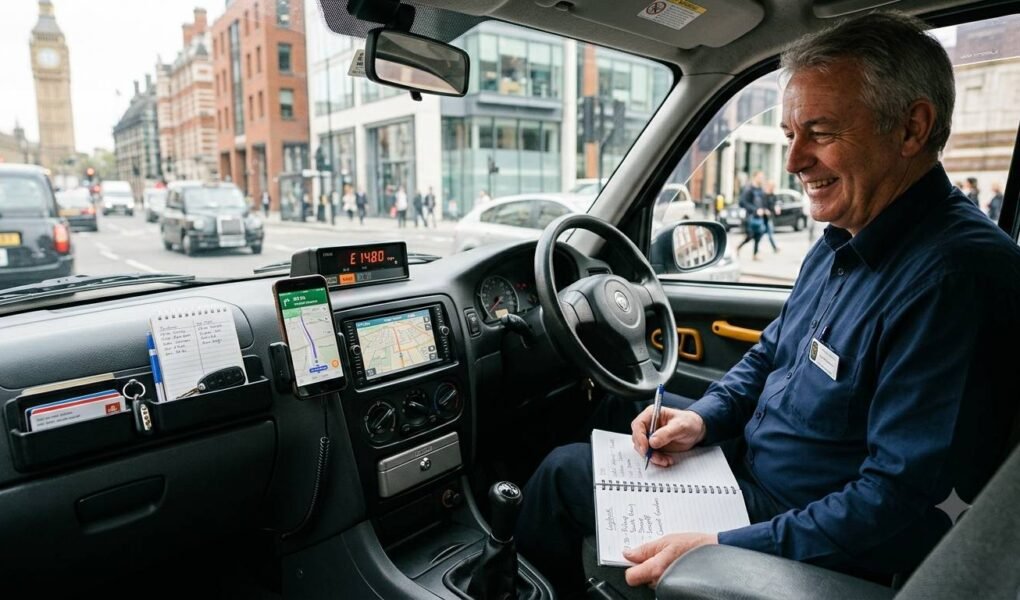
Taxi driving involves more administration than passengers usually see. A driver may need to keep track of bookings, fuel, vehicle maintenance, licensing documents, receipts and working hours while still staying focused on the road. Simple systems can prevent small tasks from turning into a pile of paperwork.
A good starting point is to separate urgent documents from records that only need occasional attention. Driving and vehicle licence information, inspection dates and taxi insurance details should be easy to find. Renewal dates can be added to a digital calendar with reminders several weeks in advance. This reduces the chance of discovering an expiry when a document is needed for work.
Drivers can also make each shift easier by preparing the vehicle before accepting fares. A short routine might include checking fuel or charge level, looking for warning lights, clearing rubbish, checking the cabin and confirming that a phone mount or charging cable is working. If the same sequence is followed every day, fewer details depend on memory.
Receipts are another common source of clutter. Fuel, cleaning, servicing, parking and business-related purchases can quickly accumulate. Rather than leaving paper receipts in door pockets, a driver can store them in one labelled envelope or scan them into folders by month. The important point is consistency. Records are much easier to review when they have been kept in one place from the start.
Bookings need a clear system too. Drivers who take work through several channels should avoid relying on mental notes. A diary, approved booking system or calendar can record collection times, addresses and any useful passenger information. Private hire drivers should also follow the booking and record requirements that apply to their operator and licensing authority.
It helps to keep maintenance separate from general expenses. A basic vehicle log can record service dates, tyre changes, repairs and inspection results. This creates a simple history of the vehicle and makes it easier to notice when recurring work is due. It also supports better decisions about when a fault needs professional attention instead of being postponed.
Financial organisation does not require complicated software. Some drivers prefer a spreadsheet, while others use bookkeeping tools or folders from an accountant. Whichever method is chosen, business income and costs should be recorded regularly rather than reconstructed months later. Setting aside a fixed time each week can be more manageable than attempting a large catch-up.
The same principle applies to taxi insurance paperwork. Policy schedules, certificates and correspondence should be stored where they can be retrieved quickly, either securely online or in a dedicated folder. Drivers should review documents when circumstances change, such as a different vehicle or altered work pattern, rather than assuming existing details still fit.
A tidy working environment also supports organisation. Loose paperwork, cables and personal items can distract a driver or make the passenger area look untidy. At the end of a shift, a quick reset of the cabin and driver area prepares the vehicle for the next day.
Organisation becomes easier when tasks are attached to regular moments. Vehicle checks can happen before the first job, receipts can be filed after a shift, and records can be reviewed on the same day each week. That creates habits instead of relying on reminders for every small action.
The goal is not to build a complex office inside the car. It is to make important information easy to find and routine jobs hard to forget. When bookings, records, maintenance and taxi insurance documents each have a clear place, drivers can spend less time searching for information and more time concentrating on safe, reliable work. It can also help to keep a short weekly checklist for tasks that are easy to overlook.